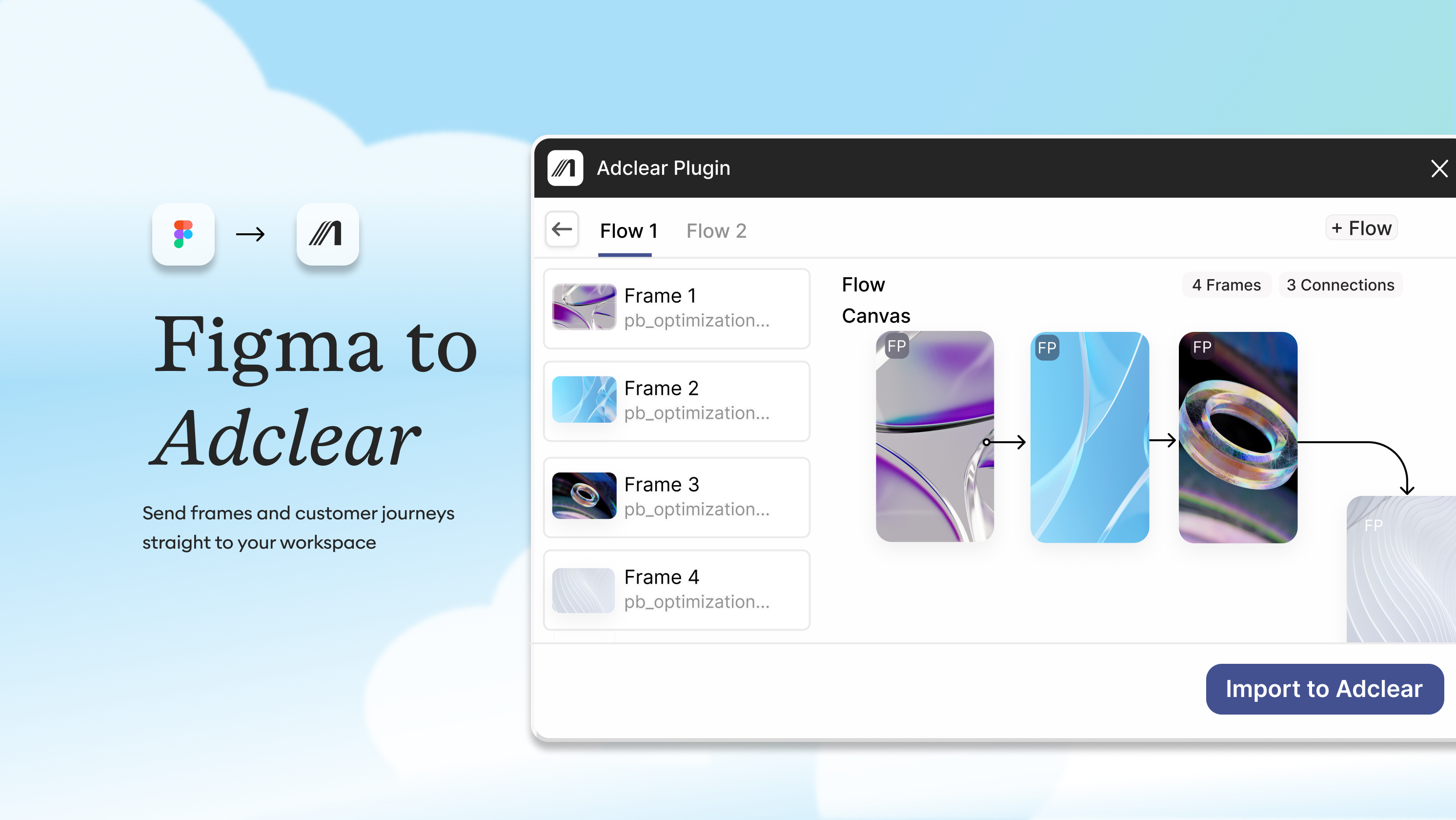
The riskiest point in a financial promotion is often a handoff.
Copy moves into design. Design becomes an export. An approved asset is uploaded to a scheduler. A caption is edited at the last minute. A third party adapts the creative. Each transition can detach context, feedback or approval from the thing that goes live.
A better workflow keeps compliance connected from brief to publication. It gives marketing guidance while the work is still easy to change, then preserves a controlled path from the approved version to the live feed.
The ideal workflow in eight stages
1. Start with a compliance-ready brief
A useful brief includes the product, audience, markets, channel, campaign dates, objective, planned claims, offer conditions and evidence owners. It also identifies landing pages and distribution partners.
This prevents reviewers from spending the first cycle gathering basic facts.
2. Surface requirements before copy is final
Give creators the relevant requirements, policy and examples at the start. That may include mandatory wording, prohibited claims, prominence standards, evidence expectations and escalation triggers.
Early guidance improves first-time approval without turning marketers into compliance officers.
3. Review the complete communication
Meaning is created by hierarchy, imagery, placement and journey—not copy alone. The review should consider the full frame in Figma, the caption, required disclosures and the destination page.
FCA social media guidance is technology-neutral and emphasises that promotions across social channels must remain fair, clear and not misleading.[1]
4. Return precise, actionable findings
Feedback should identify the exact element, explain the concern, cite the relevant source and describe what resolution looks like. “Too risky” creates another meeting. “This headline presents the benefit without the material condition shown only below the fold” creates a fix.
Differentiate mandatory changes, policy preferences and optional editorial improvements.
5. Route by risk
Known, lower-risk patterns can follow a standard route. Novel claims, vulnerable audiences, high-risk investments, performance presentations or uncertain jurisdictional questions should escalate.
Risk-based routing protects expert capacity and keeps routine work moving.
6. Lock approval to a version
When approval is granted, create a stable record of the asset, caption, destinations, context and conditions. If a material change is made, return it to review.
The process should make it difficult to publish an unapproved variant accidentally.
7. Publish through a controlled handoff
Connect the approved asset to the publishing or CRM workflow. Use status notifications in collaboration tools, but retain the authoritative decision in the compliance system. Slack is valuable for visibility; it should not become an unstructured approval database.
8. Verify and monitor the live promotion
Confirm that the published version matches the approved version. Then monitor defined conditions: offer expiry, changed rates, broken links, altered landing pages, unauthorised edits or campaign end dates.
What should integrate with what?
A practical architecture connects four surfaces:
- Creation: Figma, document tools and content systems.
- Decision: the controlled compliance review and approval record.
- Coordination: Slack, email and project management for notifications.
- Distribution: CRM, marketing automation, social publishing and websites.
Integrations should reduce duplicate entry while preserving a clear source of truth. A copy of a decision in several systems is not the same as one authoritative record.
Workflow metrics that reveal friction
Track:
- time from first submission to decision;
- reviewer touch time;
- first-time approval rate;
- revisions per promotion;
- time waiting for missing context or evidence;
- findings by cause and severity;
- percentage of live assets verified;
- expired or changed promotions detected;
- work by product, jurisdiction and channel.
Use the data to improve briefs and policy. If the same issue appears every week, the solution may be a template or upstream guardrail rather than more downstream review.
Frequently asked questions
Can financial promotions be reviewed directly in Figma?
Review can be initiated or surfaced from Figma through an integration, depending on the platform. The approval record should still preserve the relevant version, context, sources and accountable decision.
Should Slack be used for compliance approval?
Slack is useful for status updates and coordination. Formal approval is stronger in a controlled system that ties identity and decision to a specific asset version.
When should compliance join the creative process?
At the brief for novel, high-risk or strategically important campaigns; through early self-checks for routine work; and before any material asset is committed to distribution.
What happens after an approved asset changes?
Define material-change rules. Changes to claims, conditions, risk information, audience, jurisdiction, layout or destination commonly require renewed review.
The workflow is part of the control
Compliance quality is shaped by how work moves, not only by the expertise of the final reviewer. When context, policy, evidence and versions travel with the asset, teams make better decisions with less rework.
The result is a workflow that respects both creative momentum and regulatory accountability—from the first frame in Figma to the promotion customers actually see.
Once you're booked in, we'll send you a free playbook on Financial promotions compliance for FinTechs.